
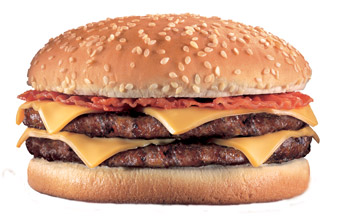
And how it conquered the world
By A. J. Henry
The term ‘fast food’ was coined in the 1950‘s, but the demand to ‘eat on the run’ is older, eight-hundred years earlier.
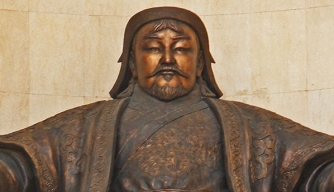
The warlord Genghis Khan, in leading his nomadic tribes of Northeast Asia to conquer much of Eurasia, had little time to stop and eat. His Mongol warriors fed themselves while riding on horseback, halting only at sunset to sleep. In the 13th century, the trusty steed not only carried them to battle, but also featured on the menu. Marco Polo observed one pony could feed 100 men for a day. The cavalrymen placed slices of raw meat under their saddles. Constant pounding beneath the weight of the rider broke down connective tissue and fat to resemble ground beef. This combined with heat from the animal resulted in a crude, if somewhat hairy, patty.
Germans were among the first to recognize the potential of this new form of processed meat. Adding capers and onion enhanced the flavor and the Hamburg sausage appeared in amusement parks, fair, or sold by street vendors.
The name hamburger (which has nothing in common with meat from the thigh of hogs) originated in the European port of Hamburg. Masses of European migrants sailed the Elbe to escape the revolutions of 1848. The first port in the Trans-Atlantic crossing was New York. The new arrivals demanded restaurants serve food that reminded them of home. Minced beef, lightly salted, and mostly raw was mixed with onions and bread crumbs served in a bowl. Called ‘Hamburg Style American Fillet’ the dish was a hit with emigres.
The style of burger eaten today came into popularity around 1885. Who created it first is unknown. A few contenders come to the forefront.
Charlie Nagreen (1870-1951) devised a way of flattening ground steak and dishing it up between slices of bread. Nagreen became known as Hamburger Charlie. A customer in Fletcher Dans restaurant was in too much of a hurry to stop and eat. Old Dave, as Danes was known, served the impatient diner with a beef patty between Texas Toast (bread sliced double the thickness of a regular sliced loaf). Over in Europe, Otto Kuasw was frying beef patties in butter served with egg between toasted buns. The 1891 Hamburg restaurant advertised the meal as Deutsches Beefsteak.
Industrialized society saw wide-ranging change in the early 1900‘s. Mass produced affordable food, that could be eaten outside the family home, by the working class, while on the move, were in demand.
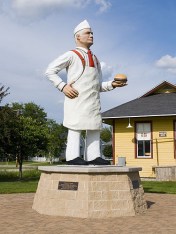
Walter Anderson opened the first White Castle restaurant in Wichita, Kansas. His cooking method used hygienic spatulas to turn beef steaks over a flaming grill. White Castle was also the first to serve burgers wrapped in paper inside a carton. In 1954 located alongside the bustling Route 66 in San Bernardino, the McDonald brothers opened a restaurant making hot dogs and hamburgers in the fastest time possible. Their mascot was a hamburger faced chef called ‘Speedee’.
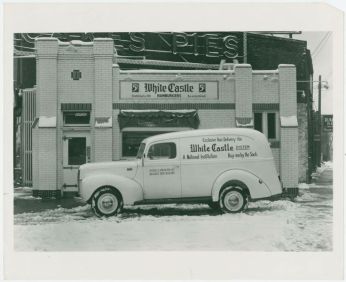
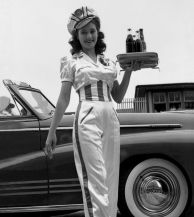
Nineteen-sixty saw American society fall in love with automobiles. Hamburgers sold at drive-in theaters were delivered by waiters called carhops. The newly created McDonald franchise had an updated mascot: a clown named Ronald McDonald. Drive through service was the new initiative whereby customers no longer needed to leave their cars. Cars became the new dining rooms. So popular were burgers with Americans in the sixties, average consumption soared to three burgers per head per week.
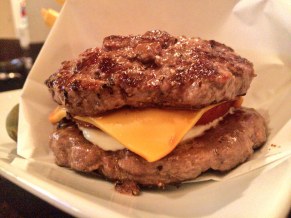
Meanwhile in Japan, US service personnel introduced burgers to the Japanese. In a country known for its cuisine, variations were created; fish, rice, and shrimp burgers were added to the menu. The oddest adaptation to come out of Japan is the ‘Wild Out’ burger which does away with buns altogether having the contents held between two slabs of ground beef. And yes, it is held and eaten the same way as a regular burger. Not to be outdone, a London restaurant took three weeks to create a wagyu beef (Japanese name for cow) and gold leaf lobster burger costing eleven-thousand British pounds–possibly the most expensive in the world.
According to reference.com, McDonald’s has 33,000 restaurants worldwide including 200 in China. That equates to roughly 225 million hamburgers sold every year.
While attempting to conquer Eurasia, the Mongol invader’s fluky creation for ground meat became the underlying basis for the humble hamburger. A cheap quickly cooked meal that conquered appetites of the world.
 ajhenryblog
Being of an age when burgers were beginning their claim to fame, I found this interesting. I lived in So. California when Bob Big Burgers was a destination. Then McDonald’s grew to fames and life wasn’t complete without a cheeseburger. Little ones were told if they dallied in eating the Hambergler might show up and steal what they hadn’t eaten. I married and moved to MN where I became acquainted with White Castle. There is something about this little moist burger filled with onions that can’t be replaced. Having moved back to the West Coast, I get a craving every once in a while. When my daughter comes to visit, she brings a Crave Box (30) to share with my family as well as my sister’s and family who have come to love them as much as I do.
Your article brought back memories of days long ago. I may have to stop by the frozen section of the store and nab a box of frozen White Castles.
LikeLike
My first cheese burger was the best thing I ever tasted. My palette has matured since, but the memory stays.
LikeLike