
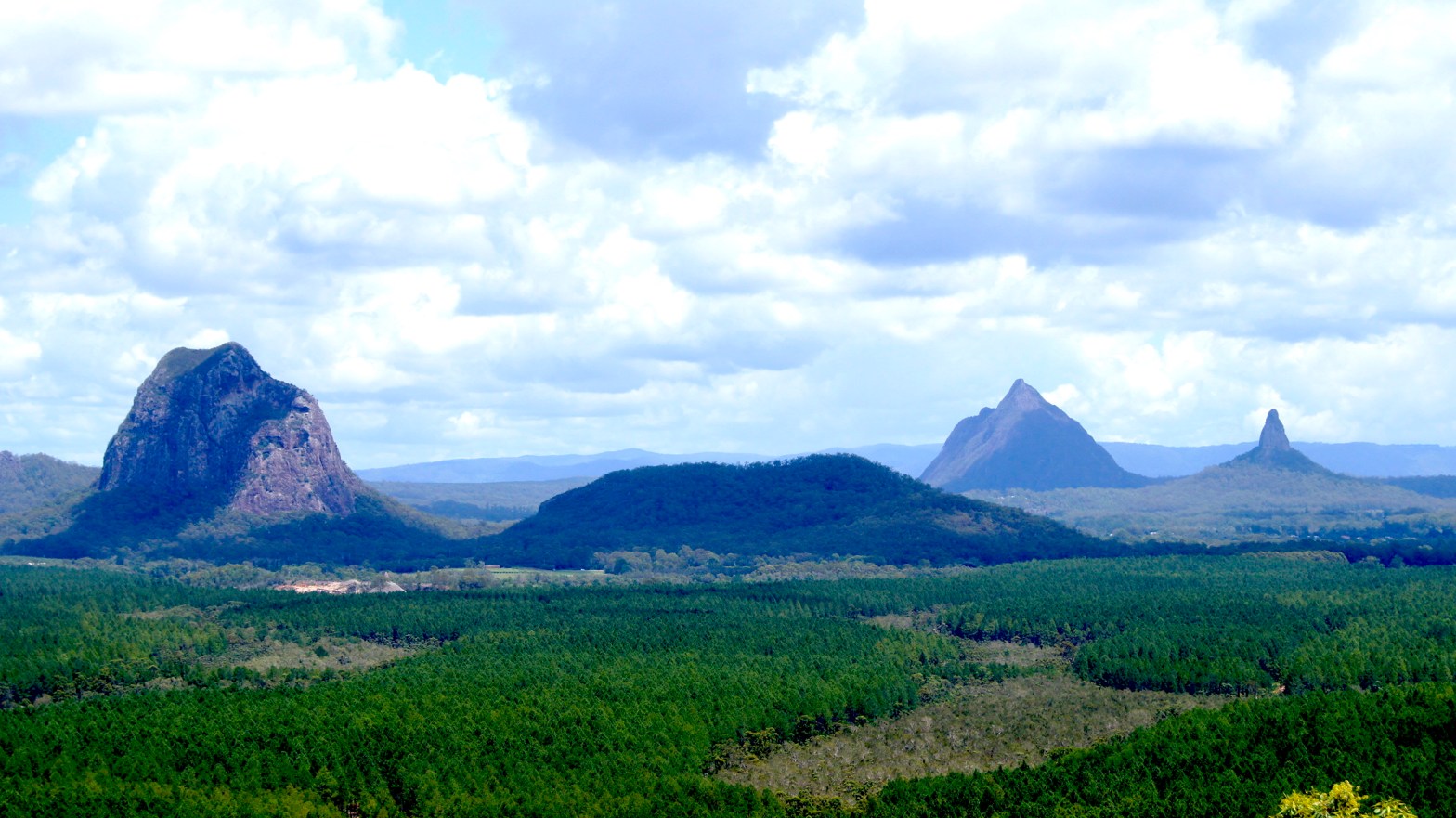
The NSW Arts Minister Don Harwin resigned after breaking social isolation guidelines by traveling to his Central Coast home. His excuse was the low-density holiday home was better for his health.
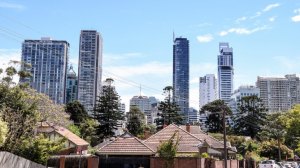
Is the Arts Minister yet another politician telling the electorate one thing while doing the opposite? Or is there unspoken wisdom in his decision to flout the rules?
Here’s what Don Harwin had to say: “I live in a very built-up area in Sydney with high density and here I have windows that can open so I can have the fresh air and I can walk in fresh air and I have more room in my house here than I would have in my small apartment in inner Sydney,” he said. “I have two residences. I have chosen to live at this one for health reasons.”
Australia has a huge advantage in the fight against coronavirus. Having room to sprawl in our major and provincial cities makes social isolation that bit easier. Low density suburbia could be the turning factor in mitigating this life-threatening malaise, or pandemics in the future.
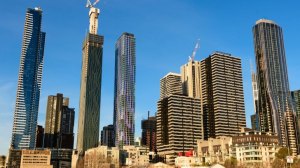
When you consider the changing landscape of Australia’s urban environment, the ‘Big Country’ is not so spacious. The much-valued backyard is disappearing.
Tim Lawless from Core Logic reports: Australia is moving through the peak of an unprecedented boom in apartment construction. Over the twelve months ending March 2018 there were almost 97,000 medium to high density dwellings that completed construction across Australia; a year earlier there were 105,300 projects that finished construction (84% higher than the decade average). As at March of this year there were still 155,275 medium to high density projects still under construction
COVID-19 could expose the consequences of over development. Who or what is driving the push to high-density living?
The NSW Department of Planning Industry and Environment said on their website: “The construction and development industry is vital in helping the State recover from this crisis. Our plan will cut red tape and fast-track assessment processes to boost the construction pipeline and fast-track new projects. This will create and support construction jobs and allow work to continue wherever possible in line with the best medical advice.”
Many have speculated in the media about changes in people’s mindset post COVID-19. Businesses have transformed the workplace from a single hub to functioning in remote locations. Crowded beaches and the café lifestyle in our over-burdened capital cities could be an unintended casualty, losing out to those wanting clean air, open space, and healthier living.
 ajhenryblog