
The rapid spread of COVID-19 throughout the world’s population, and in particular the United States, has forced much of the population to cover their faces. Not seeing citizen’s faces in public places has law enforcement agencies scratching their heads.

 Your Face Says a Lot About You
Most of us look at our faces in the mirror and think nothing of it. But little do we realise that when we venture outside, others are watching.
Recognition software gives cameras the ability to recognise faces from a myriad of objects around them, even in crowded airports. Points on our faces called nodes are converted to mathematical formula. These numbers are turned into a code called a faceprint. Anyone of us who tag friends on Facebook becomes part of Facebook’s database. The FBI in America has more than 641 million photos in their database.
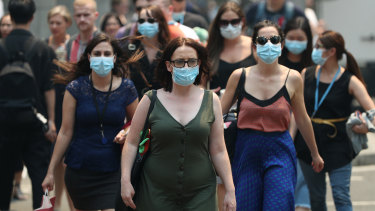
Although facial recognition is successful in tracking criminals, it is not always accurate. Recognition software works best when we look directly at the camera. Poor lighting, or looking indirectly at the camera can cause errors. For example, Amazon’s facial technology pegged 27 criminals. The problem with that was the 27 individuals were well known professional athletes and were falsely identified. Wearing a mask could widen the margin of error.
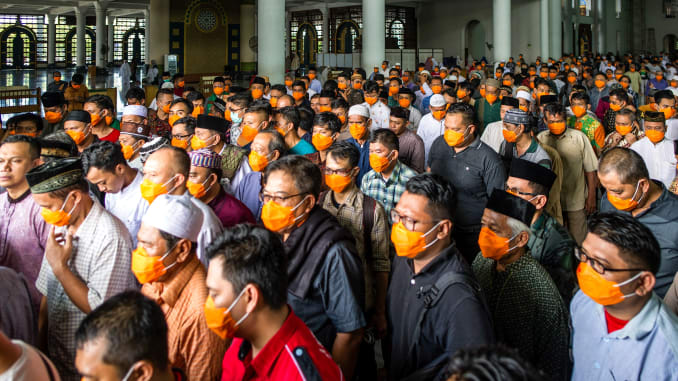
In an intelligence memo from the Department of Homeland Security warned that the widespread uptake of people wearing masks to protect themselves from infection is damaging the system that could take years to fix, even after life has return to normal.
Any consideration for the loss of identity to facial recognition networks must be pitted against the damage Coronavirus inflicts in the community. Some people still refuse to wear masks even though masks are your best bet against airborne droplets carrying the virus.
Wearing a mask maybe uncomfortable in those moments you need to wear one, such as shopping for groceries, but a mask may also save your life.
Social media singles out people who throw embarrassing tantrums when questioned by authorities charged with protecting the community. The meme ‘Karens’ was originally attached to middle-class white women who regarded themselves as entitled—the anti-vaxxer mums, and the how dare you talk to me like that hair-dos.
In 2020, Karens have become somewhat social pariahs in society. Calling someone a Karen or Ken is taking a jab at their self-absorbed importance over the safety of others.
Although facial recognition technology may be compromised because of the large number of people who choose to wear masks for the safety of the community, social media steps in to take its place.
 ajhenryblog