

To further explore the idea that ‘what you think, you will become’ we must look at possibly the most successful of all self-improvement books, Think and Grow Rich by Napoleon Hill, published in 1937.
While much of the book is about ways to become wealthy, the author insists following 13 principles in the form of ‘Philosophy of Achievement’ will help anyone succeed in any field of endeavour.
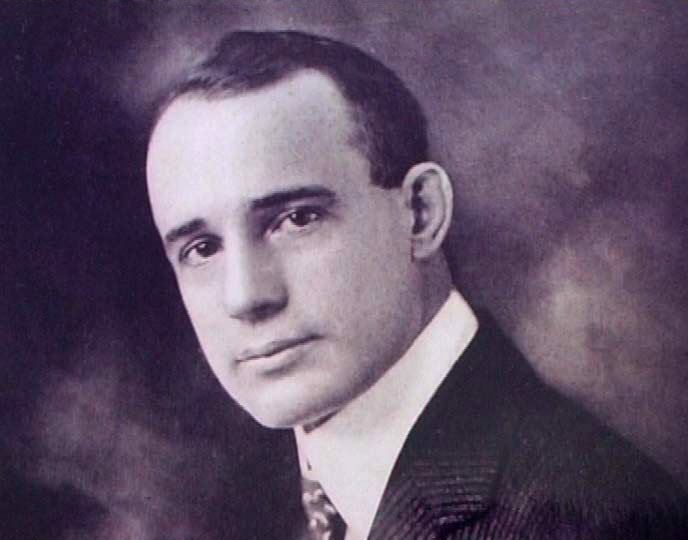
In the book, Hill says, “There are no limitations to the mind except those we acknowledge. Both poverty and riches are the offspring of thought.”
The pathway to success, whether it is gaining wealth, or learning a foreign language, is simple—think you can do it and you will. The one question remains if it is that easy, why don’t we do it?
Some critics question the promise of positive attitudes declaring positive thinking is no more helpful than wishful thinking.
The self-help books such as Think and Grow Rich assume a large portion of the population want to be rich, or richer than they already are, and therefore equate wealth as a guarantee of success.
Australian Gambling Statistics somewhat bear that out. In 2017 Australians bet more than $242 billion, which is the equivalent of spending $12,000 per person over the age of eighteen. Gambling is defined as taking a risky action with the hope of success (winning a larger amount than the initial wager). Such numbers prove a large section of the community wants more and will punt on it.

But does believing you can win, make you win?
The definition of ‘success’ is far from tangible. A used-car salesperson’s meaning of success will differ to that of a Tibetan monk. Does supporting a family through the good times and bad, and raising happy children mean you are successful, and that is as good as it gets?
David Schwartz, PhD, believes fear stops people from achieving their goals.
“Destroy fear: Yes, fear is real, and we must recognise it exists before we can destroy it. Most fear is psychological—worry, tension, embarrassment, and panic all stem from a mismanaged, negative imagination.”

Yes, good imagination, bad imagination. Imagining one million dollars is what keeps us buying lottery tickets even though the odds of winning are monstrously stacked against us.
Napoleon Hill was first to suggest fear holds people back. He created a list of ‘seventy-five famous alibis’ individuals use as an excuse for not achieving their desires. The excuses range from: if only I had good health; if only I didn’t have a wife and children; if only times were better; if only I had someone to help me; if I could just get started; if I could just get a lucky break, and so on.
Hill goes some way to explain the reasons people don’t adopt a positive mindset and think their way to success when he says, “Building alibis to explain away failure is a national pastime. The habit is as old as the human race and is fatal to success. Why do people cling to their pet alibis? The answer is obvious. They cling to their alibis because they created them. A man’s alibi is a child of his own imagination.”
In the next episode of The Squishy Stuff, we look at the award-winning author, Will Storr who thinks it doesn’t matter what self-talk we tell ourselves because our brains are lying.
 ajhenryblog