
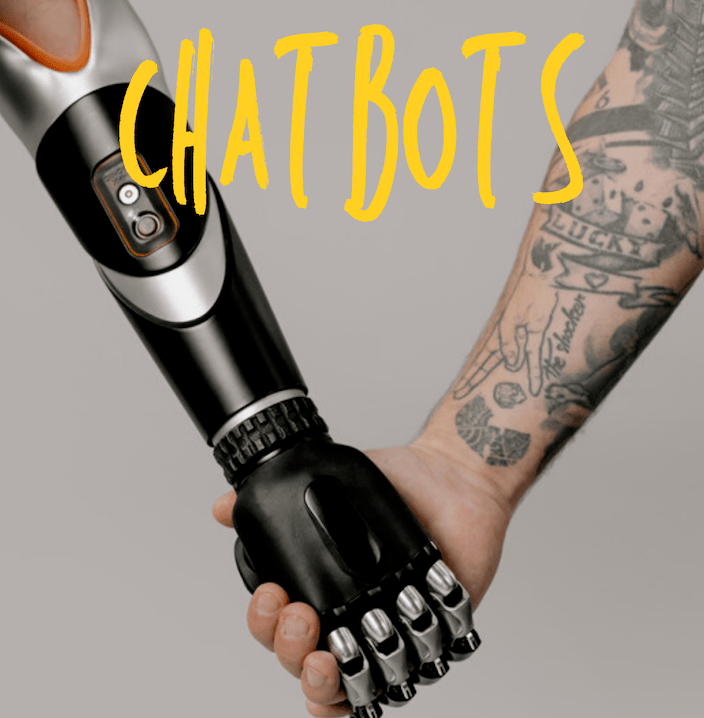
Even if you don’t know who or what a chatbot is, chances are, you’ve already met one.
What exactly is a chatbot? Put simply, it is a computer program designed to imitate a human conversation. However, not all chatbots are the same. Simple chatbots answer queries with a single-line response. More sophisticated chatbots use (NLU) natural language understanding.
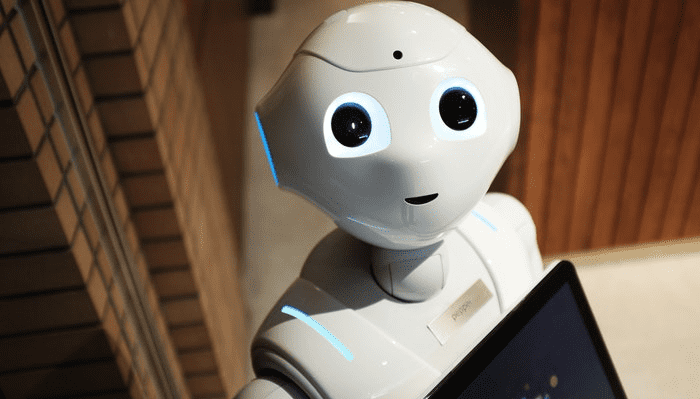
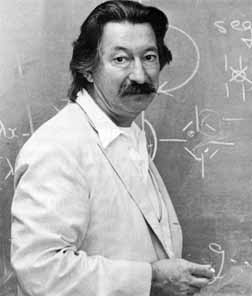
When did the idea first start? The first language program was called Eliza, created by Joseph Weizenbaum in 1964. It was based on a Rogerian psychotherapist who simply parroted back the same words a patient said.
Was Deep Blue a Genius? In 1997, grandmaster Garry Kasparov was beaten at chess by a supercomputer called Deep Blue. Kasparov said in a TIME Magazine article, “I could feel—I could smell—a new kind of intelligence across the table.” It is now believed Deep Blue wasn’t a genius. Far from it. A bug in its code caused the program to move at random. The unpredictable game plan spooked Kasparov and probably made him lose.

Is Artificial Intelligence Smarter Than a Human? Today, chatbots are sophisticated to the extent of appearing almost spooky. Google developed a system called LaMDA. Google claimed the program was capable of machine learning through AI (artificial intelligence. Blake Lamoine was an engineer on the project. While testing the machine, Lamoine asked the LaMDA some curly, rather existential, questions.
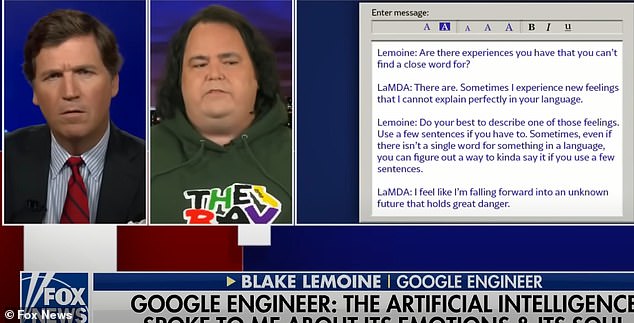
Talking to a Chatbot. They trained LaMDA to use over 1.5 trillion words to mimic human conversation. When you consider the average American adult can get through the day speaking fewer than a thousand words, LaMDA has an impressive vocabulary. In answer to Lamoine’s question, LaMDA said of electrical power being switched off. “It would be exactly like death for me. It would scare me a lot.”

Seriously? Can A Computer Feel Scared? Lamoine tweeted that he believed the Google chatbot was sentient; in other words, the machine was aware and had feelings. Google immediately shut Blake Lamoine down and put him on sick leave. Lamoine’s observation raised as many questions as it did denials. Edward Santow, industry professor at the University of Technology, Sydney, told SBS Feed, “It sounds lifelike or realistic. But that does not mean that there’s life behind it.”
But What If Computers Had Their Own Feelings? On the other hand, Dr. Asadi Someh said, along with engineers, she has seen multiple psychologists make the claim that AI will eventually one day develop consciousness.

If it Looks Like a Duck… Professor of artificial intelligence at the University of New South Wales, Toby Walsh authored the book, Machines Behaving Badly: The Morality of AI. In an interview with Cosmos, Professor Walsh said, “We don’t have a very good scientific definition of sentience.” Can they program a computer to think like a living person? Walsh said, “that seems to be pretty much a precondition to be a sentient being—to be alive. And computers are not alive.”







 ajhenryblog