Carbohydrates? What are they and why should we care?
By A. J. Henry
We’ve all heard the term. It’s talked about in magazines and television interviews. Oprah’s health guru, Dr Oz says they are addictive. Heard alongside words such as type 2 diabetes, obesity, and lifestyle programs, Carbohydrates, or refined carbohydrates are mentioned in some form or another. But what are they?
 Carbohydrates are the main source of energy for the human body. They provide fuel for the brain and energy for working muscles.
Simple carbs contain just one or two sugars such as fruit. Carbohydrates can be either simple or complex in structure. The sugar used in ice-cream and candy floss is known as “empty calories” because they have none or very few of the vitamins, minerals, and fibre that benefit our bodies.
Complex carbohydrates are universally agreed to be better for us as they are processed more slowly and have good nutrients. Foods such as whole grains, fruit, vegetables, beans, and nuts are examples of complex carbohydrates.
The name comes from the chemical makeup whereby carbohydrates contain carbon, hydrogen, oxygen.
Carbohydrates are not created equal.
Carbs are found in most things on this planet we describe as “living”. A tree, for example, uses sucrose, glucose, and fructose as soluble and non-soluble carbohydrate. In the foods humans eat, there are good and bad carbs.
 Bad carbs are easy to recognize. All those happy yummy things we loved as kids, muffins, pies, potato chips, fruit juice, milkshakes, and lollies hide a dark side.
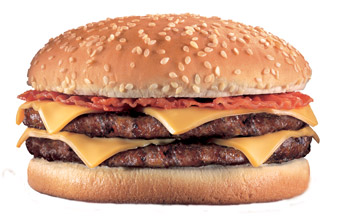
In a standard can of sugary soda there is around 24.5 grams of sugar. A big slice of chocolate mud cake has some 35 grams of carbohydrate. Large fries to go will contain 63 grams of carbohydrates. And let’s not forget a large burger value meal with cheese which will provide 1,620 calories or 6,778 kilojoules. But what does it all mean?
The average woman needs to eat about 2,000 calories or 8,368 kilojoules and a man 2,500 calories or 10,460 kilojoules. It means the large burger meal will supply more than half of the daily energy in one meal.
We need carbs for energy or we will die, right?
It is estimated the average adult needs around 1,300 calories per day just to stay upright. To put that into context, walking burns about 4 calories per minute. A one-hour walk along the beach will burn 240 calories. But get this if you sit on a problem and think it through that blob of grey stuff inside your skull and weighing just 2% of your overall weight burns a calorie and a half per minute.
The brain works by giving off signals from neurones which are then taken up by other neurones and these little suckers can take 20% of oxygen and around the same in sugar or glucose. Surly, a crème caramel donut would be welcomed by our brain box.
Why do we crave carbs and feel hungry without them?
According to Dr. Oz carbs are addictive because chemicals go from the gut to the brain and produce dopamine, a hormone that makes you feel happy. The brain releases many chemicals to make us feel good such as endorphins, oxytocin, serotonin, and dopamine. Part of the reason for this is survival.
 When danger is around the stress hormone cortisol alerts organs in your body to prepare to fight or flight. The happy chemicals are metabolised and we want to feel happy all the time. This leads to our brains searching for new ways to get a happy fix.
On way to do this is to munch into a fresh bread roll made from white flower. The problem in feeding our happy fix is researchers have now found bad carbohydrates cause heart attacks and more likely than not, cancer.
Here’s the kicker.
Humans do not need to eat carbohydrates. Yep! If you were King of the World for a day and banished all carbs to the netherworld, no one would die. In fact, as I have proved to myself, given time, no one would even miss them. It turns out our body after millions of years of evolution which created the most successful mammals on the planet can make its own glucose.
To further pile evidence against the humble carb, carbohydrates do nothing for us. Fats such as fatty fish, olive oil, and avocados along with proteins give the essential elements to build and repair tissue in the body. The Institute of Medicine in 2002 stated in a Dietary Reference Intake Manual that: “The lower limit of dietary carbohydrate compatible with life apparently is zero, provided that adequate amounts of protein and fat are consumed.”
It means that a short-term sugar hit is just that; in the long run does nothing for us.
How does the body make energy and where does it come from?
It all takes place in one of the largest organs in the human body, the liver.
The liver takes everything we eat and converts it into substances we can use. It can store supplies for when cells need them later on. The other important function is to take out toxins and turn them into harmless substances to be evacuated from the body. So when next visiting the bathroom, think of it as taking out the garbage.
A liver performs a host of functions such as getting rid of old blood cells and making proteins vital to blood clotting. But the one function of interest here is creating energy.
When we eat carbs, the liver kicks in to make sure the level of sugar or glucose in our blood stays constant. After a super-sized smoothie, our blood sugar levels would go through the roof if it weren’t for the liver removing sugar and storing it in the form of glycogen. When we are starving, the liver breaks down glycogen and releases the sugar back into the blood.
Liver cells also break down fat and protein by changing amino acids in food so they can make carbohydrates and fats to give us energy.
Although our big brains constantly demand a supply of glucose twenty-four-seven, our bodies can make it in a process called gluconeogenesis.
Why Are More Humans Sporting Beer Bellies and Love Handles?
When we overeat, especially carbs, and do not burn fat through intensive exercise the fat is stored and does not go away until needed. Fat is fundamentally high energy supplies called triglycerides. Fat is stored in the body in special cells called adipocytes. And it’s no surprise to learn the majority of fat cells are in the midriff section of human bodies.
There are also two types of fat: visceral fat which is stored around internal organs, and subcutaneous fat just under the skin resulting in the lumps, bumps and rolls protruding through our clothes. Subcutaneous fat is also the hardest fat to loose.
Junk Food is Not the Only Food Off the Menu
While it is obvious junk food should be eaten on rare occasions, other foods should be struck from our shopping lists. Avoiding breads and Bagels, bananas, dried fruit, starchy vegetables such as corn, potatoes including sweet potatoes, and beets.
For a comprehensive list of foods to avoid, visit Franziska Sprtizler’s health line.
https://www.healthline.com/nutrition/14-foods-to-avoid-on-low-carb
The Bottom Line
From an article by Christophe Kosinski and Francois R. Jomayvaz.
“A study in 132 severely obese patients (BMI 43 kg/m2) with a high prevalence of type 2 diabetes or metabolic syndrome showed that participants using a low-carbohydrate diet lost more weight than those using other diets…”
https://www.ncbi.nlm.nih.gov/pmc/articles/PMC5452247/
This study by , MD PhD FICS FACS,1 , MSc PhD FRCPath,4 , MB ChB,5 , MB ChB MD FRCSEd FACS,1, MB ChB FRCS FACSI PhD FICS FACS,1 , MB ChB FRCS FICS,1 , MD PhD FICS FACS,1 , MD FRCPC,2 and , BSc PhD3.
Conducted in 2004 into the long term effects of a low carb diet on 83 obese patients over 8, 16, and 24 weeks of treatment found decreased LDL (bad fat) where as the good fat HDL increased significantly. The study concluded “…it is safe to use a ketogenic (low carbohydrate) diet for a longer period of time than previously demonstrated.”
https://www.ncbi.nlm.nih.gov/pmc/articles/PMC2716748/





 It goes someway to explain why when on holiday I caught a fish in my swimming trunks. Why it was swimming in my trunks is anybody’s guess?










 Nothing prepared me for leaping snakes at fast moving bicycles—as it seems, not fast enough. Some would suggest fleeing a slithering reptile the best way to get into an aerobic heart zone. Fortunately, the snake dropped off and I avoided an ugly showdown. Me and Rattlesnake Jake—okay, it wasn’t the Mojave Desert but a suburban walking track—it could have been ugly just the same. I continued riding at a grandmotherly pace.
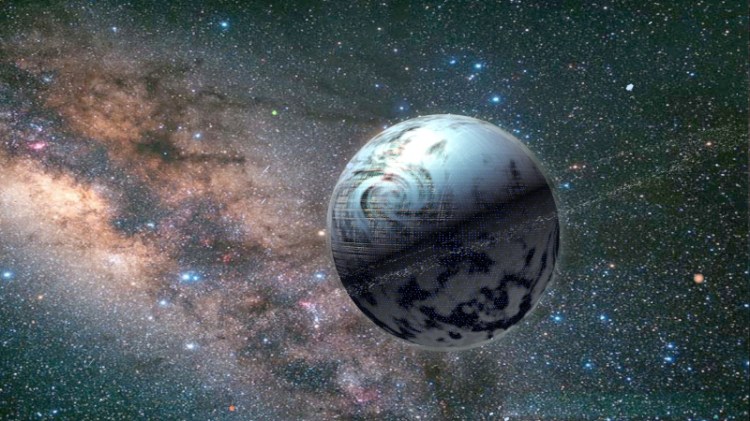 Astronomers in the months past have been beside themselves over the discovery of a star with a name resembling a phone number having erratic flickering. I didn’t think much of the news as I thought stars were meant to twinkle. Our kids are taught from an early age of stars twinkling and sing about it in a well-worn nursery rhyme. The star named KIC 8462852 is a mere 1480 light years from Earth. Not only does the star feature a boring name, instead of the more original Brobdingnagian Plasma Bubble 9, it has baffled scientists into spending lone nights twirling knobs on telescopes in bewilderment.

 ajhenryblog